
Build confidence for critical moments with Emergency First Aid (Health Care) training focused on emergency first aid skills.

Emergency First Aid (Health Care) prepares employees to recognize relevant risks, responsibilities, and safe work expectations. Key outcomes include the ability to describe the reason and essential concepts of emergency first aid, spot common risks and responsibilities related to emergency first aid, and use the training guidance during routine work. The material also helps learners respond appropriately when questions or unsafe conditions arise. Practical examples connect the subject to routine tasks, expected procedures, and decisions employees may need to make on the job. Learners finish with a clearer understanding of what to look for, how to respond, and when to raise a concern or seek additional guidance.
Emergency first aid training suits health care employees who may be first on scene before a code team or physician arrives. That includes nursing assistants, home health aides, clinic and front-desk staff, and support roles such as housekeeping and maintenance. The 19-minute video is available in English.
OSHA's 29 CFR 1910.151(b) requires a person adequately trained in first aid when no infirmary, clinic or hospital is near the workplace. Hospitals usually meet this with on-site medical staff, but home health and remote sites may not. Employees designated to give first aid also fall under 1910.1030, the Bloodborne Pathogens Standard.
First aid is immediate, temporary care given to an injured or suddenly ill person until qualified medical help takes over. Medical treatment is the follow-up care a licensed provider delivers. OSHA recordkeeping draws a similar line: first aid cases are generally not recordable, while medical treatment beyond first aid is.
In an emergency first aid situation, first make sure the scene is safe. Then check the person's responsiveness and breathing. Call for help or activate your facility's emergency code. Control severe bleeding with direct pressure, and wear gloves whenever blood or body fluids are present.
No. An emergency first aid video builds awareness and recall. Certification from organizations such as the American Red Cross or American Heart Association requires hands-on skills practice. Use the video for orientation, refreshers or review between certification classes, and confirm what your facility requires.
Schedule a demo with one of our reps
Our extensive Learning Management System allows you to dispatch knowledge and required certificates to teams across your site portfolio.
Our platform caters to all learning styles and scenarios, ensuring effective knowledge retention.
Take control of the learning experience with our configurable class structure. Tailor the training journey to match your organizational needs.
Deliver targeted safety training regimens at every level, putting safety directly into the hands of your workforce.


Deliver more than 400 online safety courses as well as your own training with the SafetyAmp learning management system.
Easily enroll employees into training courses, whether they're in a classroom or taken online - then visualize training history and compliance across multiple locations.
SCORM-compatible
Library of 400+ courses from partner training providers
Create online training courses
Quickly view employee training history
Schedule classroom training sessions
Manage training renewals
Eliminate lost certificates
Built-in reports for training compliance

Other Courses

Build confidence for critical moments through clear Hot Work Safety: Welding, Cutting, and Brazing instruction on frequent hazards associated with welding, cutting, and brazing.

Make workplace requirements clearer. Get a practical overview of spaces using OSHA’s three-pillar criteria for bodily entry in Confined Spaces: Acceptable Entry Conditions.
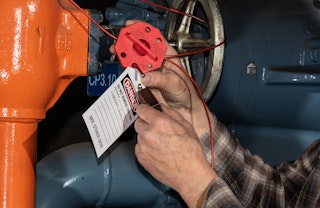
Give maintenance workers a clear six-step lockout/tagout routine, from identifying hazardous energy to verifying isolation before any work begins.


Made in the U.S.A.
© Copyright 2026