
Strengthen day-to-day performance with Countermeasures on Water training focused on effective countermeasures for water-related incidents.

Countermeasures on Water gives learners a practical foundation for making safer, more informed decisions. Key outcomes include the ability to describe the reason and essential concepts of countermeasures on water, spot common risks and responsibilities related to countermeasures on water, and use the training guidance during routine work. The material also helps learners respond appropriately when questions or unsafe conditions arise. Practical examples connect the subject to routine tasks, expected procedures, and decisions employees may need to make on the job. Learners finish with a clearer understanding of what to look for, how to respond, and when to raise a concern or seek additional guidance.
Water safety countermeasures training is for workers who operate or ride in vessels, or work on docks, piers and shorelines. Examples include marine crews, environmental response teams, port staff and agency boat operators. The 28-minute course is available in English, Spanish and French.
The main hazards of working on or near water are drowning, falls overboard and cold water immersion. Strong currents, sudden weather changes and unstable or overloaded vessels add to the risk. Slippery decks, mooring lines and docking maneuvers can also cause serious injuries.
Often, yes. OSHA's construction standard, 29 CFR 1926.106, requires U.S. Coast Guard-approved life jackets where employees work over or near water and drowning is possible. Shipyard work has a similar rule in 29 CFR 1915.158. Check which rules apply to your operation and vessel type.
Before going out on the water, crews should check the weather forecast, currents, tides and water temperature. Confirm the vessel is not overloaded and its load is balanced. Inspect life jackets, radios and rescue gear, and leave a float plan stating where you are going and when you'll return.
If a coworker falls overboard, shout an alert immediately and throw a flotation device toward the person. Have one crew member keep pointing at the person at all times. Maneuver back carefully, keep the propeller away from the person, and radio for help.
Schedule a demo with one of our reps
Our extensive Learning Management System allows you to dispatch knowledge and required certificates to teams across your site portfolio.
Our platform caters to all learning styles and scenarios, ensuring effective knowledge retention.
Take control of the learning experience with our configurable class structure. Tailor the training journey to match your organizational needs.
Deliver targeted safety training regimens at every level, putting safety directly into the hands of your workforce.


Deliver more than 400 online safety courses as well as your own training with the SafetyAmp learning management system.
Easily enroll employees into training courses, whether they're in a classroom or taken online - then visualize training history and compliance across multiple locations.
SCORM-compatible
Library of 400+ courses from partner training providers
Create online training courses
Quickly view employee training history
Schedule classroom training sessions
Manage training renewals
Eliminate lost certificates
Built-in reports for training compliance

Other Courses

Build confidence for critical moments through clear Hot Work Safety: Welding, Cutting, and Brazing instruction on frequent hazards associated with welding, cutting, and brazing.

Make workplace requirements clearer. Get a practical overview of spaces using OSHA’s three-pillar criteria for bodily entry in Confined Spaces: Acceptable Entry Conditions.
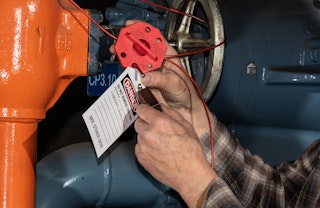
Give maintenance workers a clear six-step lockout/tagout routine, from identifying hazardous energy to verifying isolation before any work begins.


Made in the U.S.A.
© Copyright 2026