
Reduce workplace risk through clear Carbon Monoxide Poisoning (PPE) instruction on carbon monoxide risks.
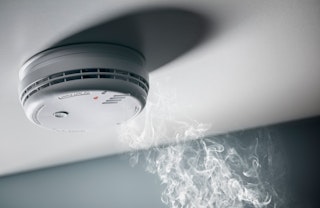
Focused on real-world application, Carbon Monoxide Poisoning (PPE) turns core concepts into clear actions learners can use at work. Key outcomes include the ability to describe the reason and essential concepts of carbon monoxide poisoning, spot common risks and responsibilities related to carbon monoxide poisoning, and use the training guidance during routine work. The material also helps learners respond appropriately when questions or unsafe conditions arise. Practical examples connect the subject to routine tasks, expected procedures, and decisions employees may need to make on the job. Learners finish with a clearer understanding of what to look for, how to respond, and when to raise a concern or seek additional guidance.
Carbon monoxide safety training is needed wherever fuel-burning equipment runs indoors or in enclosed spaces. That includes forklift operators, loading dock and garage workers, mechanics, and staff using generators, pressure washers or gas-powered tools. Boiler and furnace crews need it too. The 10-minute video is available in English.
OSHA's permissible exposure limit for carbon monoxide is 50 parts per million as an eight-hour time-weighted average, set in 29 CFR 1910.1000, Table Z-1. Where respirators are needed, employers must run a respiratory protection program under 1910.134. Air monitoring with CO detectors shows whether exposures stay below the limit.
Early carbon monoxide poisoning symptoms are headache, dizziness, weakness, nausea and fatigue, often mistaken for flu. Higher exposures cause confusion, chest pain, blurred vision, loss of coordination and unconsciousness. If several people in one area feel sick at the same time, suspect carbon monoxide.
If someone has carbon monoxide poisoning, move the person to fresh air and call 911. Do this only if you won't become a victim yourself. Shut off the source if it's safe. Don't reenter a high-CO area without supplied-air respiratory protection. Anyone exposed needs medical evaluation, even if symptoms fade.
No. Dust masks and standard air-purifying cartridges do not filter carbon monoxide, and the gas gives no odor warning when protection fails. High-CO atmospheres require supplied-air respirators or self-contained breathing apparatus. Better first steps are ventilation, electric equipment and keeping engines out of enclosed areas.
Schedule a demo with one of our reps
Our extensive Learning Management System allows you to dispatch knowledge and required certificates to teams across your site portfolio.
Our platform caters to all learning styles and scenarios, ensuring effective knowledge retention.
Take control of the learning experience with our configurable class structure. Tailor the training journey to match your organizational needs.
Deliver targeted safety training regimens at every level, putting safety directly into the hands of your workforce.


Deliver more than 400 online safety courses as well as your own training with the SafetyAmp learning management system.
Easily enroll employees into training courses, whether they're in a classroom or taken online - then visualize training history and compliance across multiple locations.
SCORM-compatible
Library of 400+ courses from partner training providers
Create online training courses
Quickly view employee training history
Schedule classroom training sessions
Manage training renewals
Eliminate lost certificates
Built-in reports for training compliance

Other Courses

Build confidence for critical moments through clear Hot Work Safety: Welding, Cutting, and Brazing instruction on frequent hazards associated with welding, cutting, and brazing.

Make workplace requirements clearer. Get a practical overview of spaces using OSHA’s three-pillar criteria for bodily entry in Confined Spaces: Acceptable Entry Conditions.

Give maintenance workers a clear six-step lockout/tagout routine, from identifying hazardous energy to verifying isolation before any work begins.


Made in the U.S.A.
© Copyright 2026