
Protect your team with Back Injury Prevention (Foundries) training focused on essential techniques for preventing back injuries in foundries.
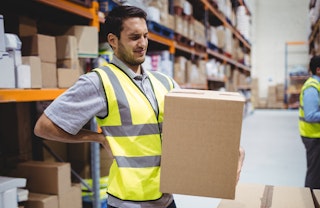
Back Injury Prevention (Foundries) prepares employees to recognize relevant risks, responsibilities, and safe work expectations. Key outcomes include the ability to describe safe lifting techniques to prevent back injuries, spot foundry hazards that can cause back injuries, and explain the value of ergonomics in reducing back injuries. The material also helps learners support active participation in safety programs and PPE use. Practical examples connect the subject to routine tasks, expected procedures, and decisions employees may need to make on the job. Learners finish with a clearer understanding of what to look for, how to respond, and when to raise a concern or seek additional guidance.
Back injury prevention training for foundries is aimed at molders, core makers, pourers, finishing workers, material handlers, and maintenance crews. These employees lift castings, cores, and tools, often in awkward postures. Foundry supervisors and safety committee members also benefit when they plan tasks, promote PPE use, and encourage participation in safety programs.
OSHA has no specific ergonomics or lifting standard for general industry. However, OSHA can cite serious lifting hazards under the General Duty Clause, Section 5(a)(1) of the OSH Act. Many employers use the NIOSH Lifting Equation to judge safe loads. Back injuries from lifting may also be recordable under OSHA recordkeeping rules.
Foundry back injuries often come from handling heavy castings and cores, lifting molds, shoveling sand, and moving scrap or charge materials. Bending over low work surfaces, reaching into bins, and repeating lifts through a shift add strain. Fatigue late in a shift makes these difficult foundry lifts even riskier.
Foundry workers can lift awkward or heavy loads safely by planning the lift, clearing the path, and testing the weight before committing. Use hoists, carts, or lift assists when available, or get a partner. Keep the load close, bend the knees, tighten the core, and pivot with the feet instead of twisting at the waist.
Back strains happen when back muscles or ligaments are overstretched or torn, usually from lifting too much, poor posture, or twisting under load. Tired or poorly conditioned muscles strain more easily. The 9-minute foundry video, in English, explains back mechanics and back strains so workers understand why lifting technique matters.
Schedule a demo with one of our reps
Our extensive Learning Management System allows you to dispatch knowledge and required certificates to teams across your site portfolio.
Our platform caters to all learning styles and scenarios, ensuring effective knowledge retention.
Take control of the learning experience with our configurable class structure. Tailor the training journey to match your organizational needs.
Deliver targeted safety training regimens at every level, putting safety directly into the hands of your workforce.


Deliver more than 400 online safety courses as well as your own training with the SafetyAmp learning management system.
Easily enroll employees into training courses, whether they're in a classroom or taken online - then visualize training history and compliance across multiple locations.
SCORM-compatible
Library of 400+ courses from partner training providers
Create online training courses
Quickly view employee training history
Schedule classroom training sessions
Manage training renewals
Eliminate lost certificates
Built-in reports for training compliance

Other Courses

Build confidence for critical moments through clear Hot Work Safety: Welding, Cutting, and Brazing instruction on frequent hazards associated with welding, cutting, and brazing.

Make workplace requirements clearer. Get a practical overview of spaces using OSHA’s three-pillar criteria for bodily entry in Confined Spaces: Acceptable Entry Conditions.

Give maintenance workers a clear six-step lockout/tagout routine, from identifying hazardous energy to verifying isolation before any work begins.


Made in the U.S.A.
© Copyright 2026