
Build confidence for better decisions. Get a practical overview of Deepen your understanding of avian flu prevention in Avian Flu Education for Prevention (Long Version).
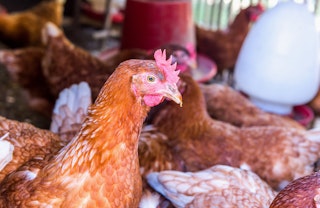
Workers can use Avian Flu Education for Prevention (Long Version) to strengthen the knowledge and judgment needed on the job. Key outcomes include the ability to raise avian flu awareness for public health, describe risk reduction measures, and describe transmission, symptoms, treatment. The material also helps learners describe empower viewers to protect themselves and communities. Practical examples connect the subject to routine tasks, expected procedures, and decisions employees may need to make on the job. Learners finish with a clearer understanding of what to look for, how to respond, and when to raise a concern or seek additional guidance.
Avian flu training is needed by workers who have contact with poultry or wild birds, including poultry farm staff, processing workers, depopulation and cleanup crews, and veterinarians. Anyone handling sick or dead birds, droppings or contaminated litter faces higher exposure risk. Supervisors need it to plan PPE, hygiene and outbreak response.
People usually catch bird flu through close, unprotected contact with infected birds or their saliva, mucus and droppings, or with contaminated surfaces and dust. The virus can enter through the eyes, nose or mouth. Spread from person to person is rare, but limiting exposure reduces the chance of new strains emerging.
Poultry workers handling birds that may carry avian flu should wear a NIOSH-approved respirator such as an N95, eye protection like goggles, disposable gloves, coveralls, boots or boot covers, and a head cover. PPE should be put on and removed in the correct order, followed by thorough handwashing.
No, OSHA has no standard specific to avian flu. Employers protecting workers from bird flu must still follow the PPE standard, 29 CFR 1910.132, and the Respiratory Protection standard, 29 CFR 1910.134, when respirators are required, including fit testing and medical evaluation. The General Duty Clause also applies to recognized serious hazards.
Poultry workers should get a seasonal flu vaccine because it lowers the chance of being infected with human and bird flu viruses at the same time. That kind of co-infection could let the viruses swap genes, a process called reassortment, and create a new strain. The seasonal vaccine does not protect against bird flu itself.
Schedule a demo with one of our reps
Our extensive Learning Management System allows you to dispatch knowledge and required certificates to teams across your site portfolio.
Our platform caters to all learning styles and scenarios, ensuring effective knowledge retention.
Take control of the learning experience with our configurable class structure. Tailor the training journey to match your organizational needs.
Deliver targeted safety training regimens at every level, putting safety directly into the hands of your workforce.


Deliver more than 400 online safety courses as well as your own training with the SafetyAmp learning management system.
Easily enroll employees into training courses, whether they're in a classroom or taken online - then visualize training history and compliance across multiple locations.
SCORM-compatible
Library of 400+ courses from partner training providers
Create online training courses
Quickly view employee training history
Schedule classroom training sessions
Manage training renewals
Eliminate lost certificates
Built-in reports for training compliance

Other Courses

Build confidence for critical moments through clear Hot Work Safety: Welding, Cutting, and Brazing instruction on frequent hazards associated with welding, cutting, and brazing.

Make workplace requirements clearer. Get a practical overview of spaces using OSHA’s three-pillar criteria for bodily entry in Confined Spaces: Acceptable Entry Conditions.

Give maintenance workers a clear six-step lockout/tagout routine, from identifying hazardous energy to verifying isolation before any work begins.


Made in the U.S.A.
© Copyright 2026