
Prepare public utility crews to cut, tap and remove asbestos cement water and sewer pipe safely, with proper PPE, planning and waste disposal.
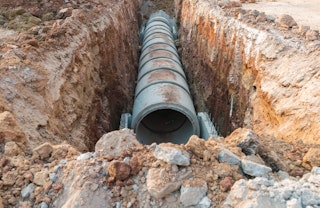
Learn safe handling & precautions for asbestos cement pipes through this essential asbestos safety training program. Participants gain critical knowledge for workers, supervisors, and asbestos safety professionals who must ensure effective asbestos safety and successful workplace health in various work environments. The program covers essential asbestos safety protocols, procedures, and comprehensive safety strategies that enhance asbestos safety effectiveness and ensure successful workplace health in various workplace environments. Participants will learn about asbestos safety requirements, safety procedures, and comprehensive protocols that ensure asbestos safety success and successful workplace health in workplace environments. The training emphasizes the importance of proper asbestos safety procedures, safety techniques, and comprehensive asbestos safety programs that enhance asbestos safety effectiveness and ensure successful workplace health in workplace environments. Through detailed instruction on asbestos safety protocols, safety strategies, and workplace health techniques, participants will develop the skills necessary to implement effective asbestos safety programs that meet OSHA standards and ensure asbestos safety success and successful workplace health in workplace environments.
Asbestos cement pipe training is needed by water and sewer utility crews, contractors and public works employees who cut, tap, repair or remove AC pipe. Supervisors who plan these jobs should also be trained. Disturbing AC pipe can release asbestos fibers, so workers need to know safe methods before any field work begins.
OSHA's asbestos standard for construction, 29 CFR 1926.1101, covers cutting, tapping and removing asbestos cement pipe. This work is generally treated as Class II asbestos work, which calls for trained workers, wet methods and controls that limit fiber release. Public agency employees may be covered through a state OSHA plan.
Asbestos cement pipe is generally stable while intact, but it becomes dangerous when cut, broken, drilled or ground. Those actions can release asbestos fibers that, if inhaled, may cause asbestosis, lung cancer or mesothelioma years later. AC water and sewer pipe can contain 20% asbestos or more as reinforcement.
Avoid dry cutting asbestos cement pipe with high-speed abrasive disc saws unless they have approved dust controls, because they release large amounts of fibers. Dry sweeping and blowing debris with compressed air are also prohibited practices. Snap cutters, wet methods and keeping pipe as intact as possible are safer choices.
Asbestos cement pipe waste should be kept wet, wrapped or bagged in leak-tight containers and labeled as asbestos waste. It should go to a landfill permitted to accept asbestos material, following federal, state and local rules. Crews should clean the work area with wet methods or HEPA vacuums, never by dry sweeping.
Schedule a demo with one of our reps
Our extensive Learning Management System allows you to dispatch knowledge and required certificates to teams across your site portfolio.
Our platform caters to all learning styles and scenarios, ensuring effective knowledge retention.
Take control of the learning experience with our configurable class structure. Tailor the training journey to match your organizational needs.
Deliver targeted safety training regimens at every level, putting safety directly into the hands of your workforce.


Deliver more than 400 online safety courses as well as your own training with the SafetyAmp learning management system.
Easily enroll employees into training courses, whether they're in a classroom or taken online - then visualize training history and compliance across multiple locations.
SCORM-compatible
Library of 400+ courses from partner training providers
Create online training courses
Quickly view employee training history
Schedule classroom training sessions
Manage training renewals
Eliminate lost certificates
Built-in reports for training compliance

Other Courses

Build confidence for critical moments through clear Hot Work Safety: Welding, Cutting, and Brazing instruction on frequent hazards associated with welding, cutting, and brazing.

Make workplace requirements clearer. Get a practical overview of spaces using OSHA’s three-pillar criteria for bodily entry in Confined Spaces: Acceptable Entry Conditions.

Give maintenance workers a clear six-step lockout/tagout routine, from identifying hazardous energy to verifying isolation before any work begins.


Made in the U.S.A.
© Copyright 2026