
This training identifies dangers associated with warehouses and distribution centers and solutions for addressing the hazards.

This comprehensive warehouse safety training teaches workers and supervisors to recognize and control the wide range of hazards present in warehousing and distribution operations. From forklift traffic and falling objects to ergonomic strains and slips-trips-falls, warehouse environments present multiple risks that require constant awareness and proper safety practices. Participants will learn to identify common warehouse hazards including powered industrial truck (forklift) operations and pedestrian traffic, loading dock falls and trailer separation, manual material handling and repetitive motion injuries, falling objects from racking and stacking, walking-working surface hazards including debris and uneven floors, hazardous energy during equipment maintenance, fire hazards from flammable materials and electrical issues, and exposure to extreme temperatures in cold storage or outdoor loading areas. Topics include implementing traffic control and separation between forklifts and pedestrians, proper use of dock plates, wheel chocks, and dock locks, safe lifting techniques and use of mechanical assists, securing loads and maintaining proper stacking heights, warehouse housekeeping and maintaining clear aisles and exits, lockout/tagout procedures for equipment service, fire prevention and emergency evacuation procedures, personal protective equipment including safety shoes, hard hats, and high-visibility vests, and the role of supervisors in conducting regular safety inspections and enforcing safe work practices. This training emphasizes that most warehouse injuries are preventable through proper training, adherence to OSHA standards, and a strong safety culture where workers actively identify and report hazards.
The examples covered are hatches, ladders, storage mezzanines, conveyor belt systems, truck loading areas, and high traffic areas.
Yes, it’s recommended that cases being picked up weigh less than 35 pounds. Any container weighing more than 35 pounds are expected to be lifted to waist height first for easier lifting.
All forklift operators need to be over the age of 18 and be properly trained and certified.
Exit and evacuation routes need to be well lit with clearly visible exit signs. Exit routes need to not be blocked and exit doors are expected to be unlocked at all times and clearly marked.
Automated and robotic systems are expected to have an automatic shut off system using sensors to stop operation and prevent injury. The area surrounding the moving parts of the robot needs to be clearly marked. When possible, troubleshooting are expected to be done remotely. However, if a worker does need to work directly on the robotic system, the buddy system are expected to be used.
Schedule a demo with one of our reps
Our extensive Learning Management System allows you to dispatch knowledge and required certificates to teams across your site portfolio.
Our platform caters to all learning styles and scenarios, ensuring effective knowledge retention.
Take control of the learning experience with our configurable class structure. Tailor the training journey to match your organizational needs.
Deliver targeted safety training regimens at every level, putting safety directly into the hands of your workforce.


Deliver more than 400 online safety courses as well as your own training with the SafetyAmp learning management system.
Easily enroll employees into training courses, whether they're in a classroom or taken online - then visualize training history and compliance across multiple locations.
SCORM-compatible
Library of 400+ courses from partner training providers
Create online training courses
Quickly view employee training history
Schedule classroom training sessions
Manage training renewals
Eliminate lost certificates
Built-in reports for training compliance

Other Courses

Reduce workplace risk through clear Back Injury Prevention Through Exercise (Schools) instruction on effective exercises for preventing back injuries in schools.
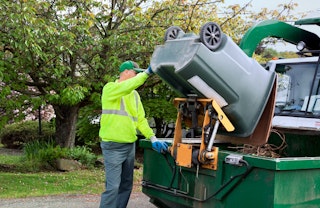
Reduce workplace risk. Get a practical overview of techniques to prevent back injuries in the waste management industry in Back Injury Prevention (Waste Management).

Protect your team with Back Injury Responsibility training focused on techniques to prevent back injuries and promote safe lifting practices in the workplace.


Made in the U.S.A.
© Copyright 2026