
Make workplace requirements clearer. Get a practical overview of HAZWOPER standards and site safety in hazardous clean-up procedures in HAZWOPER Safety: Site Safety.
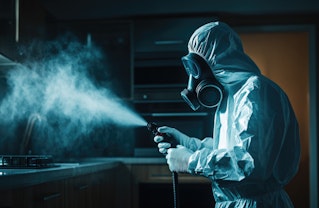
Designed for day-to-day use, HAZWOPER Safety: Site Safety explains the topic in a clear and actionable way. Key outcomes include the ability to describe the reason and essential concepts of hazwoper safety: site safety, spot common risks and responsibilities related to hazwoper safety: site safety, and use the training guidance during routine work. The material also helps learners respond appropriately when questions or unsafe conditions arise. Practical examples connect the subject to routine tasks, expected procedures, and decisions employees may need to make on the job. Learners finish with a clearer understanding of what to look for, how to respond, and when to raise a concern or seek additional guidance.
HAZWOPER applies to uncontrolled releases of hazardous substances or hazardous waste operations requiring emergency response from outside personnel or designated responders. Incidental releases that may be safely absorbed, neutralized, or controlled by local workers in the immediate area under routine operating procedures do not fall under HAZWOPER emergency response mandates.
HAZWOPER requirements are codified under OSHA 29 CFR 1910.120 for general industry operations and 29 CFR 1926.65 for construction sites involving hazardous waste cleanup, treatment, storage, and disposal (TSD) facilities, or emergency response activities.
Level A offers the maximum level of respiratory, eye, and skin protection using a fully encapsulating chemical-protective suit paired with a self-contained breathing apparatus (SCBA). Level B offers the highest level of respiratory protection via SCBA but utilizes non-encapsulating chemical-resistant clothing when severe dermal exposure hazards are not present.
In practical terms, continuous air monitoring offers immediate warning when atmospheric conditions change or degrade while work is underway—including when disturbing sludge releases toxic gases like hydrogen sulfide—allowing workers to take protective action and evacuate before reaching IDLH thresholds.
The Hierarchy of Controls ranks safeguards from highest to lowest effectiveness: elimination, substitution, engineering controls, administrative controls, and PPE. OSHA requires employers to evaluate and implement higher-level physical and procedural safeguards first, using PPE as a secondary barrier and last line of defense.
Schedule a demo with one of our reps
Our extensive Learning Management System allows you to dispatch knowledge and required certificates to teams across your site portfolio.
Our platform caters to all learning styles and scenarios, ensuring effective knowledge retention.
Take control of the learning experience with our configurable class structure. Tailor the training journey to match your organizational needs.
Deliver targeted safety training regimens at every level, putting safety directly into the hands of your workforce.


Deliver more than 400 online safety courses as well as your own training with the SafetyAmp learning management system.
Easily enroll employees into training courses, whether they're in a classroom or taken online - then visualize training history and compliance across multiple locations.
SCORM-compatible
Library of 400+ courses from partner training providers
Create online training courses
Quickly view employee training history
Schedule classroom training sessions
Manage training renewals
Eliminate lost certificates
Built-in reports for training compliance

Other Courses

Reduce workplace risk with An Effective Respiratory Protection Program training focused on how to implement an effective respiratory protection program for safety.

Build confidence for critical moments. Get a practical overview of how to use anhydrous ammonia safely and remain free from harm while on the job in Anhydrous Ammonia.

Unlock U.S. antitrust laws' secrets—Sherman, Clayton, FTC Acts. Learn the dos and don'ts for thriving businesses legally.


Made in the U.S.A.
© Copyright 2026