
Protect your team through clear Compressed Gas Cylinders - Handling and Storage instruction on safe handling and storage practices for compressed gas.
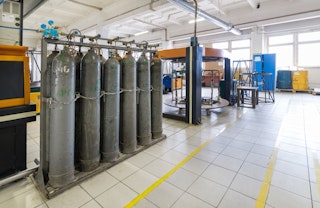
The Compressed Gas Cylinders - Handling and Storage program builds practical awareness and supports consistent workplace decisions. Key outcomes include the ability to spot frequent types of compressed gases, spot typical hazards of compressed gases, and summarize how to safely store and use compressed gases. The material also helps learners explain how cryogenic liquids are different. Practical examples connect the subject to routine tasks, expected procedures, and decisions employees may need to make on the job. Learners finish with a clearer understanding of what to look for, how to respond, and when to raise a concern or seek additional guidance.
The three most typical types of compressed gases are liquefied, non-liquefied, and dissolved gases.
Cryogenic liquids are extremely cold liquids that, at normal temperatures, would be a gas. They have a low boiling point and need to be kept very cold to prevent vaporization.
Compressed gases may be flammable, toxic, oxidizing, or corrosive. Some gases have more than one hazard associated with them.
Rinse the affected area with tepid water and seek medical advice. Hot water and dry heat are expected to not be used as the re-warming process are expected to be gradual.
Oxygen is the most typical oxidizing compressed gas as it accelerates combustion. Due to this property, it are expected to be kept at least 20 feet from flammable and highly combustible materials.
Schedule a demo with one of our reps
Our extensive Learning Management System allows you to dispatch knowledge and required certificates to teams across your site portfolio.
Our platform caters to all learning styles and scenarios, ensuring effective knowledge retention.
Take control of the learning experience with our configurable class structure. Tailor the training journey to match your organizational needs.
Deliver targeted safety training regimens at every level, putting safety directly into the hands of your workforce.


Deliver more than 400 online safety courses as well as your own training with the SafetyAmp learning management system.
Easily enroll employees into training courses, whether they're in a classroom or taken online - then visualize training history and compliance across multiple locations.
SCORM-compatible
Library of 400+ courses from partner training providers
Create online training courses
Quickly view employee training history
Schedule classroom training sessions
Manage training renewals
Eliminate lost certificates
Built-in reports for training compliance

Other Courses

Reduce workplace risk through clear Back Injury Prevention Through Exercise (Schools) instruction on effective exercises for preventing back injuries in schools.
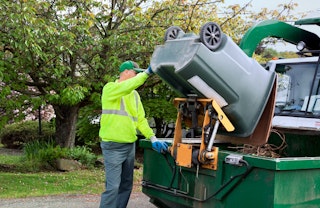
Reduce workplace risk. Get a practical overview of techniques to prevent back injuries in the waste management industry in Back Injury Prevention (Waste Management).

Protect your team with Back Injury Responsibility training focused on techniques to prevent back injuries and promote safe lifting practices in the workplace.


Made in the U.S.A.
© Copyright 2026